
Kano State Primary Health Care (SPHCB) continues to face persistent challenges including inadequate funding, workforce shortages, insufficient equipment, weak diagnostic and referral systems which undermines service delivery despite various investments and reforms. In response to these challenges, ACE with co-ordination with CHAI supported the Kano State Primary Health Care Board (SPHCB) to redesign the ISS approach into a more systematic, evidence-based, and data-driven model, underpinned by a strong accountability mechanism to drive PHC facility improvement with funding support by the Gate Foundation. The aim of this project is to improve data quality and uphold integrity of the ISS process in Kaduna by independently verifying the conduct of ISS visits by LGA and State supervisors.
Our role and approach
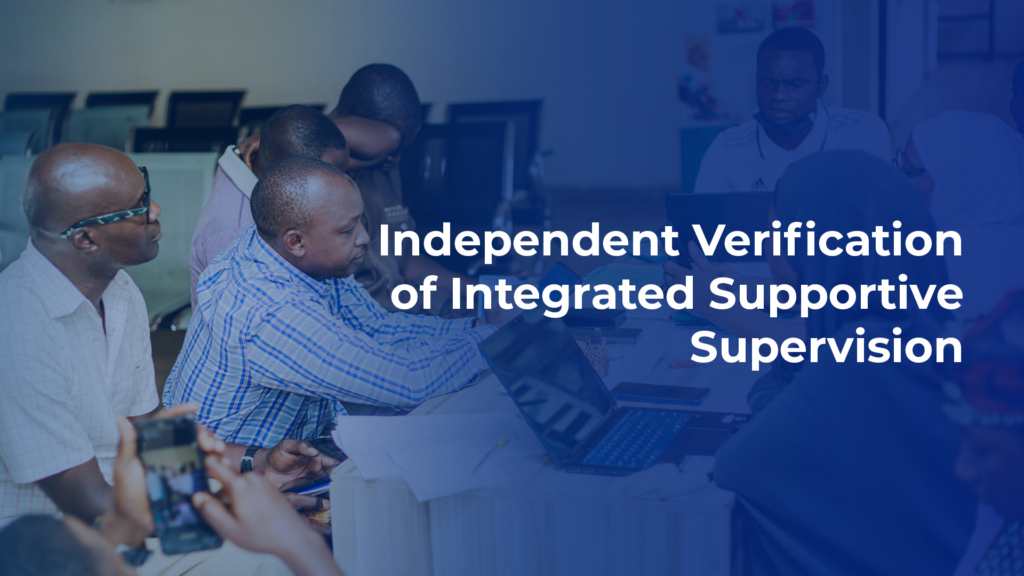
ACE led the independent verification process to assess whether supervisory visits were implemented as planned and whether reported data were accurate. This included designing verification tools such as a detailed checklist to guide ISS fidelity assessment, data quality review, and Facility Improvement Plan (FIP) evaluation. Using purposive sampling, 115 PHCs across 12 LGAs were selected. Independent Verification Personnel (IVPs) were recruited and trained to carry out fieldwork, which covered geo-coordinate validation, visitor logbook reviews, and checklist-based assessments of service readiness and provision. The team also reviewed FIPs, examined facility-level fund utilization, and triangulated findings with ISS Round 3 and DHIS2 data to detect inconsistencies and assess overall quality. Results were synthesized into a final report highlighting findings, challenges, and recommendations for strengthening PHC supervision and performance.
Key Findings
Verification results showed high geographical compliance, with 96% of supervisory visits conducted within 50 metres of facilities, but low documentation, with only 49% recorded in facility visitor logbooks. Disparities were found in essential medicines, data management, and infrastructure, while governance and human resources showed fewer gaps. Data reported in ISS and DHIS2 differed significantly for routine immunization antigens in 7 of 9 LGAs and for under-five services in 11 of 12 LGAs. At facility level, one-quarter of PHCs lacked Facility Improvement Plans and only 62% of documented improvement activities were implemented. Financially, more than half of facilities received between 81% and 100% of their approved Basic Health Care Provision Fund allocations, yet nearly half experienced delays in disbursement.
Implications and Recommendation
ISS workflows should incorporate real-time data validation to strengthen accuracy and reliability. All facilities should have Facility Improvement Plans in place and receive regular follow-up to ensure full implementation. In addition, streamlining fund disbursement processes will enable facilities to respond more promptly to service delivery needs, improving accountability and overall PHC performance.