
Background
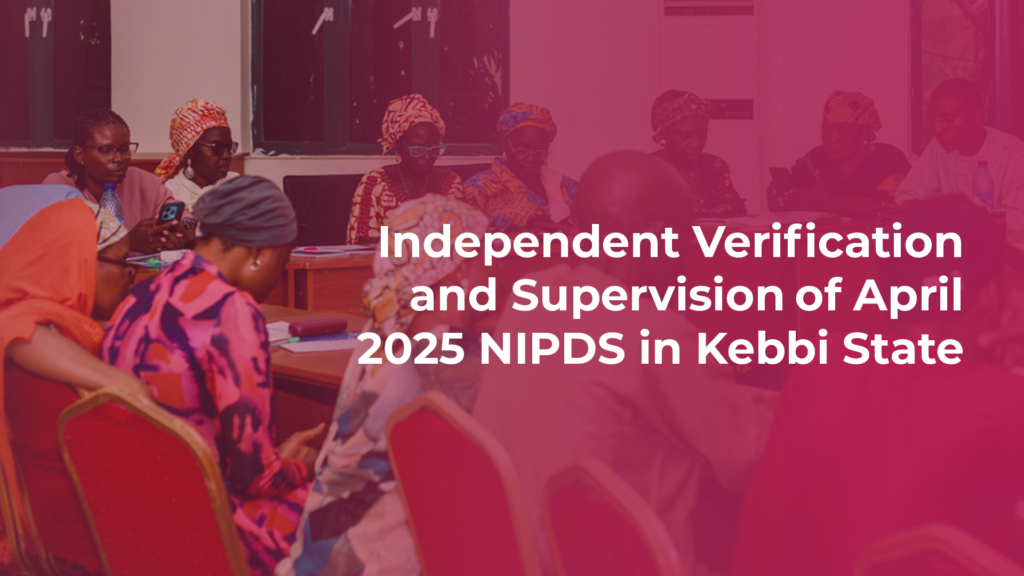
Kebbi State faced persistently low immunization coverage, particularly in ensuring that oral polio vaccine (OPV) reaches all eligible under-five children in both accessible and remote settlements. Gaps in supervision, delayed personnel deployment, and logistical bottlenecks have historically undermined campaign efficiency and coverage. To address these issues, ACE Strategy & Consults, in collaboration with the National Primary Health Care Development Agency (NPHCDA), implemented an Independent Verification and Supervision (IVS) initiative during the April 2025 National Immunization Plus Days (NIPDs) in 11 LGAs of Kebbi State. The project aimed to strengthen field operations by training, deploying, and supervising team supervisors across settlements, ensuring accurate mapping and effective monitoring OBR campaign in 11 LGAs in Kebbi state
Methodology
The Project spanned across a three-phased implementation that spanned from the Pre-implementation phase to implementation phase and post-implementation phase. Pre-implementation activities included verifying nomination lists, training and evaluating personnel, and developing ward-level deployment plans in line with approved criteria. During the campaign, ICSs conducted daily supportive supervision using standardized checklists, while IOs monitored preparedness and team selection processes. ACE’s state- and LGA-based consultants provided real-time technical support, troubleshooting, and spot checks, working closely with State and LGA Immunization Officers, WHO facilitators, and WFP partners. Post-implementation, ACE facilitated daily review meetings, analyzed supervision data, and documented lessons learned to inform future campaign improvements. ACE also coordinated and supervised the engagement and deployment of 120 Independent Observers (IOs) and 477 Independent Cluster Supervisors (ICSs) to oversee 1,434 vaccination teams at a 1:3 supervision ratio.
Our Key Findings
All 120 IOs participated in the nomination of vaccination teams at the community level, and 87% (104/120) attended and observed vaccination team training sessions. IOs successfully submitted verified final team lists to the State Emergency Operations Centre (EOC). All 477 ICSs were deployed as planned, providing daily supportive supervision throughout the campaign except on mop-up days. The initiative revealed strong engagement at nomination and deployment stages but highlighted logistical challenges in hard-to-reach areas, such as Arewa, Argungu, and Dandi LGAs, where network and transport difficulties affected supervision coverage. The supervision process improved oversight quality, but delays in finalizing personnel lists and post-test results constrained timely deployment in some wards.
Recommendations
To enhance future campaigns, nomination lists should be finalized in advance through direct collaboration with local civil society organizations, LGA officials, and community leaders. Real-time access to post-test scores during training would enable immediate selection and deployment of qualified ICSs, reducing readiness delays. In difficult terrains, supervision ratios should be adjusted to 1 ICS per 2 vaccination teams to account for extended travel times while maintaining oversight quality. Granting IPs backend data access would enable real-time problem-solving and improve overall operational efficiency.