

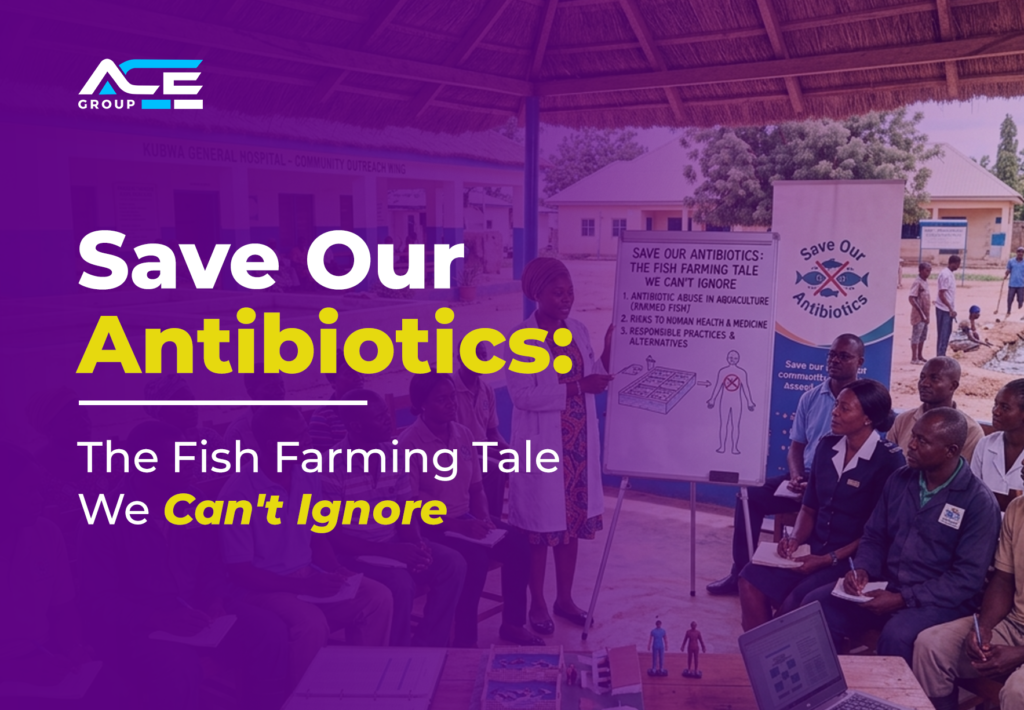
Save Our Antibiotics: The Fish Farming Tale We Can’t Ignore
While headlines scream about mental health, climate change, and infectious diseases such as HIV/AIDS, tuberculosis, malaria, and neglected tropical diseases, a silent threat lurks closer than we think, not in distant corners but on our meal plates. Antibiotic misuse in fish farming is fueling a silent pandemic of drug-resistant bacteria, a ticking time bomb poised to reverse a century of medical progress. This is not science fiction; it’s happening on fish farms, predominantly in developing nations where antibiotic usage is often unregulated or poorly enforced.
Remember the fear of mercury-laced fish a few years back? Antibiotic-resistant bacteria pose an even greater danger. World Bank warns that drug-resistant diseases claim 700,000 lives globally each year, a figure projected to skyrocket to 10 million by 2050. Yet, in countless fish farms, antibiotics are being dumped like candy, creating breeding grounds for superbugs immune to our medicines.
Across studies in Nigeria, Vietnam, and Bangladesh, a surprisingly high percentage of fish farms – 48%, 50%, and 69%, respectively – routinely use antibiotics as an additive to fish feed or pond water. Tetracycline, fluoroquinolones, and chloramphenicol – names that should send shivers down any doctor’s spine – are among the most frequently chosen culprits. What’s worse is that most farmers remain blissfully unaware of the ticking time bomb they’re creating.
The use of antibiotics in fish farming contributes to the increasing proportion of antibiotic-resistant bacteria in our environment. This occurs through selective pressure, where only resistant bacteria survive, and horizontal gene transfer, where resistance genes spread among bacteria. These are not harmless residues washing away with the tide. Antibiotic-resistant bacteria thrive in aquatic sediments (material that settles at the bottom of the pond water) and hitch rides on fish to our meal plates. From the earth’s surface contaminated with pond water to the rivers where the contaminated pond waters are discharged, these superbugs infiltrate our environment and food chain, leaving a trail of potentially untreatable diseases in their wake.
When Superbugs Cross Borders
Antibiotic misuse in fish farming is not just a developing-world problem, as the reach of superbug-ridden fish extends far beyond regional borders. We export or import not just fish but the potential for untreatable infections lurking within. The fish we enjoy, regardless of origin, could be a gamble with a hidden tide of antibiotic-resistant bacteria. A Tilapia or Salmon farmed in a distant Asian nation could land on our plate carrying antibiotic-resistant bacteria just as easily as a local catfish. While fish cooking reduces the risk of infection, it is noteworthy that not all drug-resistant bacteria are culinary casualties; certain strains can withstand certain cooking temperatures.
Another concern is that this problem is not confined to fish farms alone. The routine use of antibiotics in poultry feed and the prophylactic spraying of fruit orchards also contribute to the spreading of these drug-resistant bacteria. Chloramphenicol, when added to pond water, can form residues that elevate the risk of cancer in humans. Recalling my childhood experiences in villages around Niger and Kogi states, Nigeria, where pesticides are casually used in fishing, reveals yet another hidden danger lurking in our supposedly healthy meals. Pesticides are also known to be among the major causes of cancer and impaired immune function.
Turning the Tide Against Superbugs
The choice is clear: we can either act now and secure a future where antibiotics remain our shields against disease or continue down this path and risk facing a world where even a minor scratch could become a death sentence. Let’s not drown in a sea of our own making. It’s time to choose wisely for our health and the future of medicine itself.
While the problem looms large, so too are the solutions within reach. Stakeholders and governments must act swiftly, not just within their borders but also through international cooperation. Stricter trade regulations and robust monitoring systems are crucial to ensure that the fish we consume, whether domestically produced or imported, meet higher antibiotic-free standards. Investing in research and developing alternative methods, like Bacteriophages, Probiotics, and Prebiotics, can offer sustainable solutions. Supporting responsible farming practices and promoting consumer awareness are critical to combating this silent pandemic.
Every one of us has a role to play. Contact your local representatives and urge them to support stricter regulations on antibiotic use in fish farming and other agricultural activities. Spread awareness about the danger of antibiotic use in fish farming or other agricultural activities using antibiotics. You can also support organizations promoting sustainable practices that minimize or regulate antibiotic use in agricultural activities. Together, we can prevent this silent pandemic from stealing our health and peace of mind. Let’s choose a future where our fish farms are sources of nourishment, not breeding grounds for superbugs. The time to act is now.
Abdulrahman Ibrahim
Research Associate at ACE Group, Abuja, Federal Capital Territory, Nigeria